News about my current development
Here are articles on past and present game projects.
Here are articles on past and present game projects.
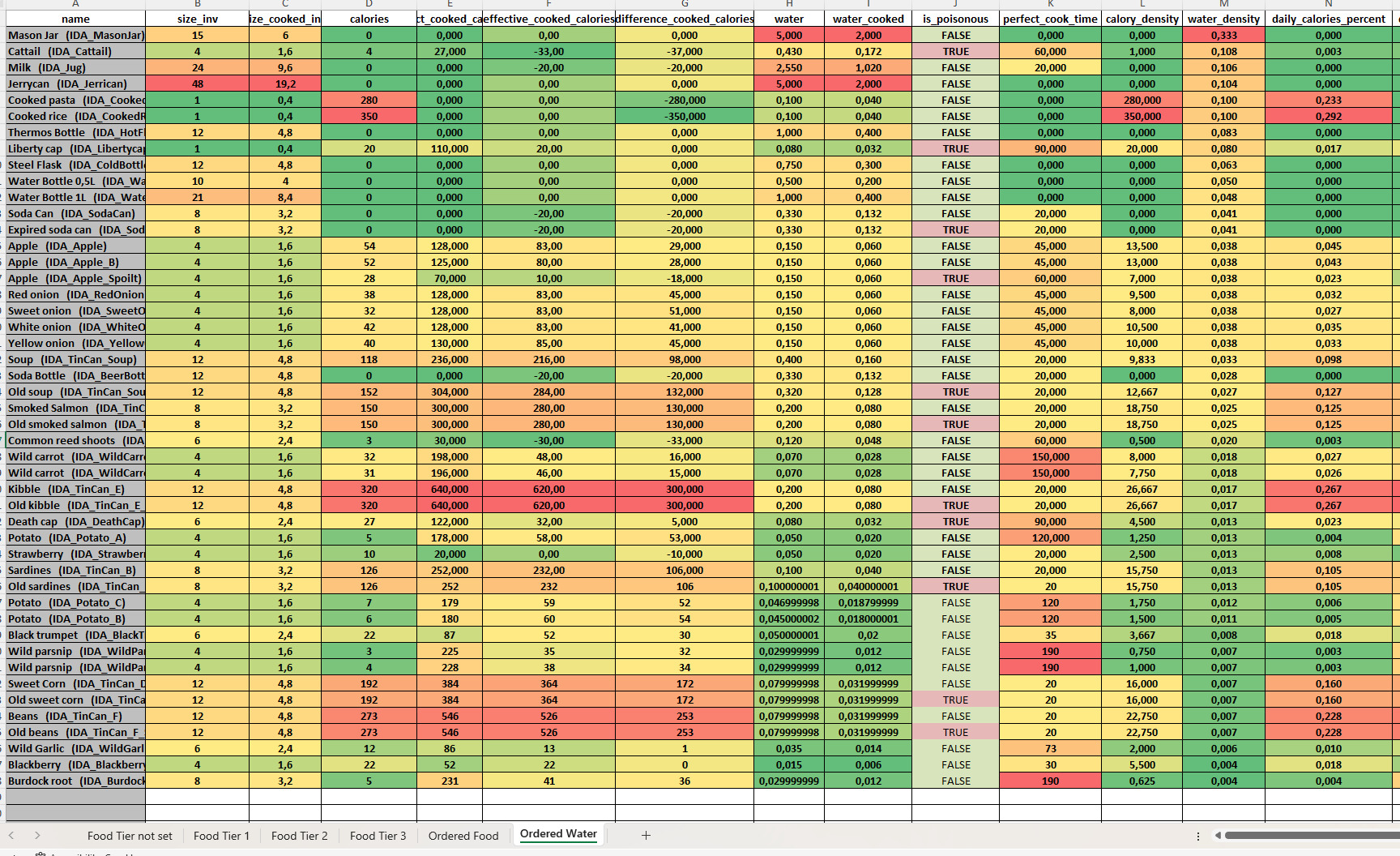
Overview Prologue: Go Wayback! contains a large number of items, especially food and drink-related items. Like most survival games, balancing these items is a challenge, and there are multiple ways to approach it. Given the size of our design team, […]
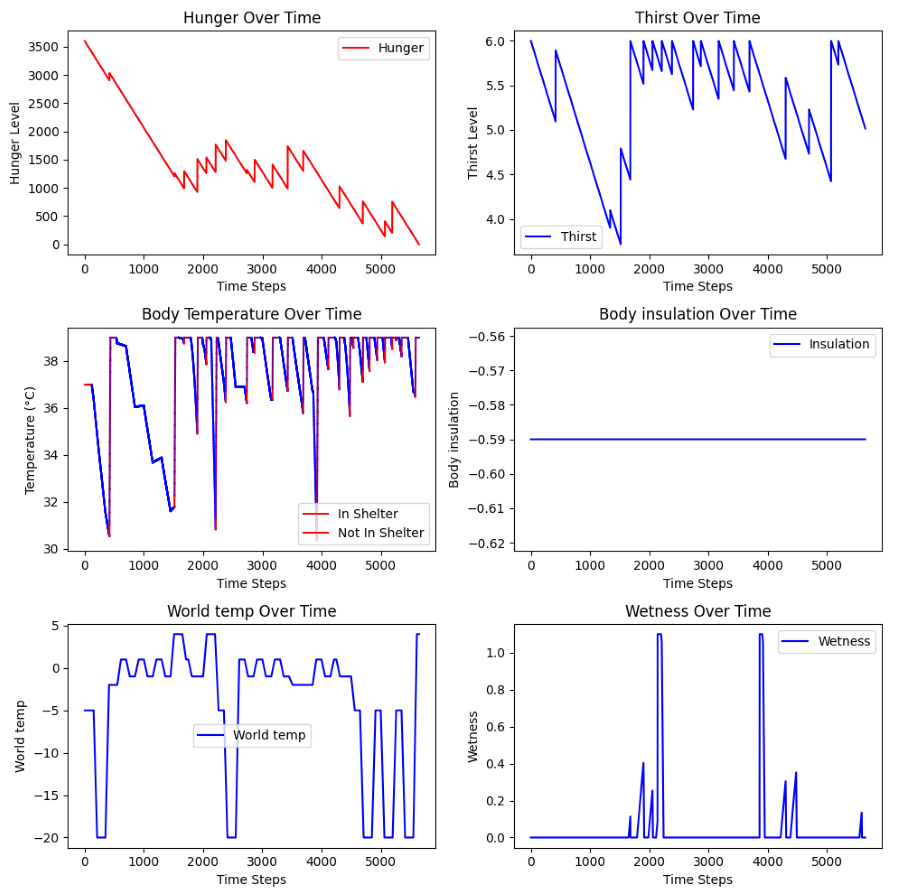
Overview Following the Early Access release of Prologue: Go Wayback!, we gained access to player analytics for the first time. While this outweighed the value of the approximate survival simulation, it did not solve the day-to-day balancing challenges. Analytics could […]
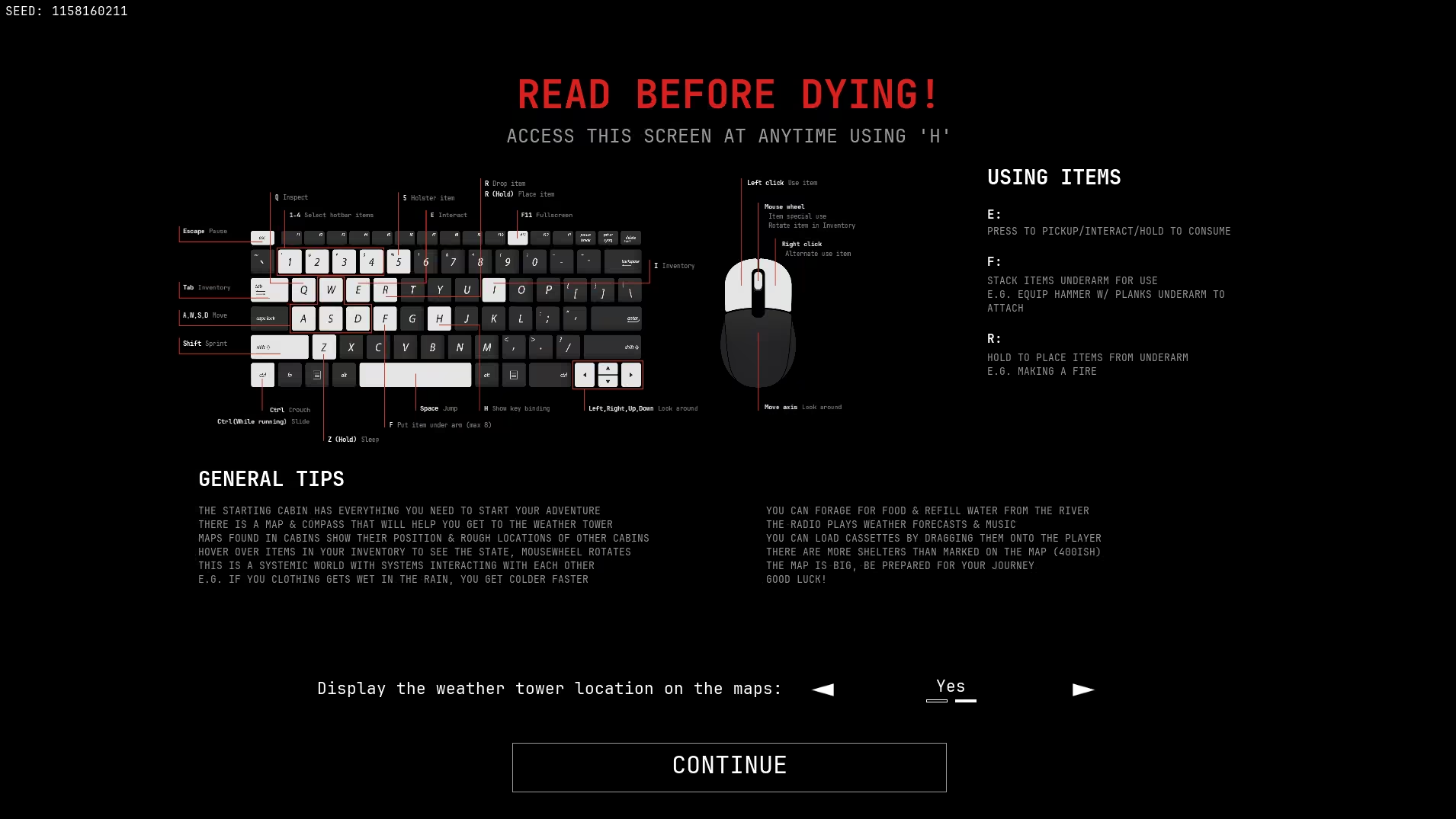
Overview One of the creative goals of Prologue: Go Wayback! was to avoid traditional tutorialization and rely as much as possible on player discovery. This immediately created a challenge. Survival games contain many interconnected systems, and players need to understand […]
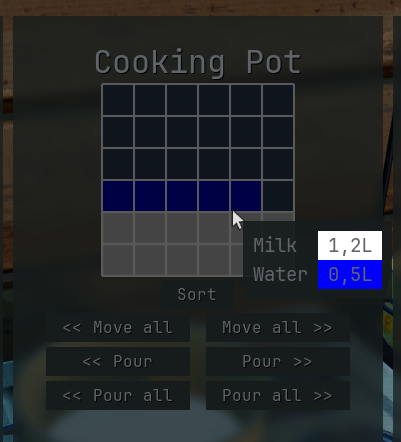
Overview Prologue features an accessible yet surprisingly complex liquid system. This was not always the case. Early versions of the game only contained a simple water value on food items and a few water containers, such as bottles. Once we […]
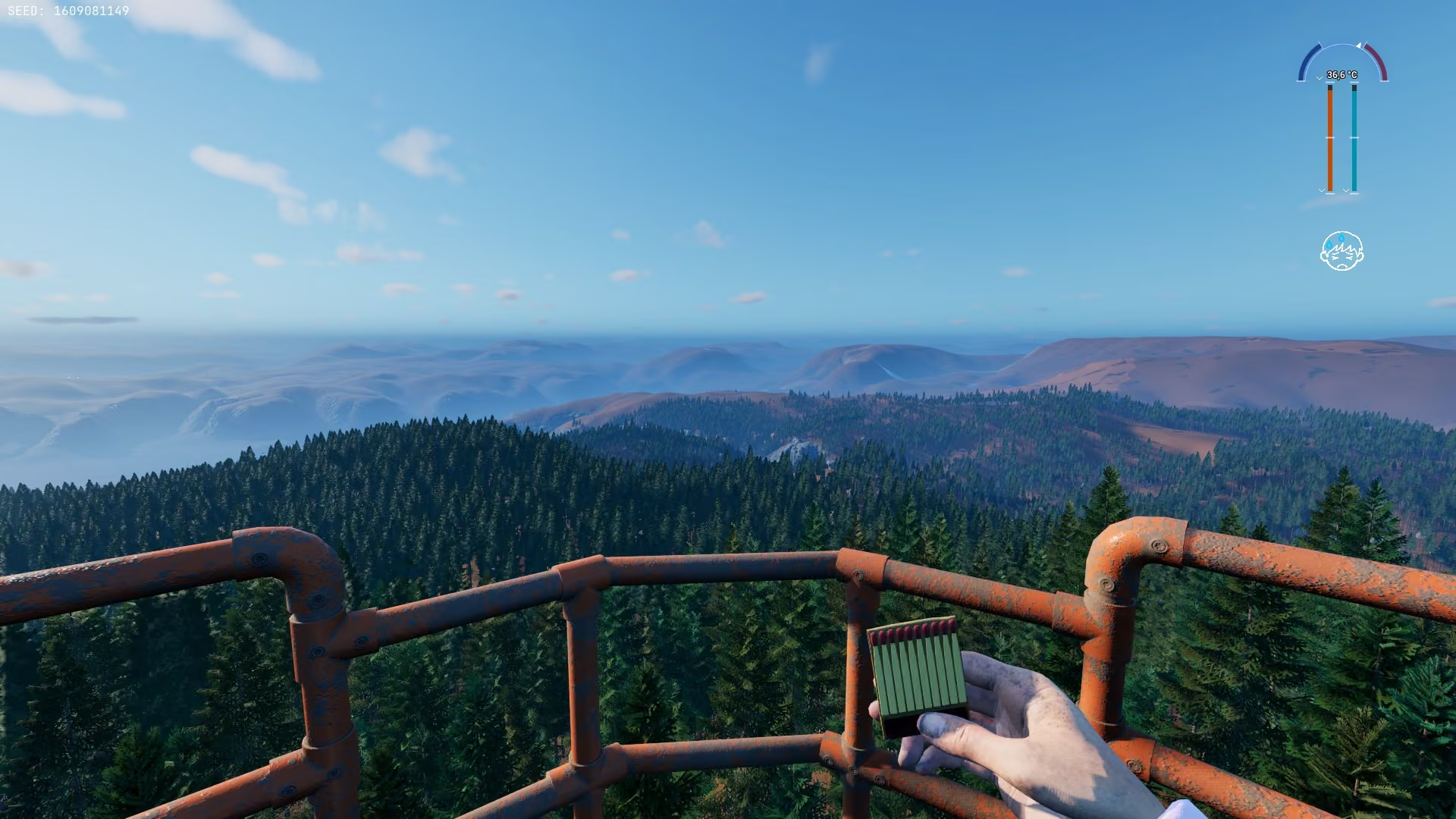
Overview One of Prologue: Go Wayback!’s design pillars was to keep UI to a minimum and encourage players to interact with the world itself. However, Prologue contains many interconnected systems. Weather, temperature, wetness, hunger, thirst, and exhaustion constantly affect the […]
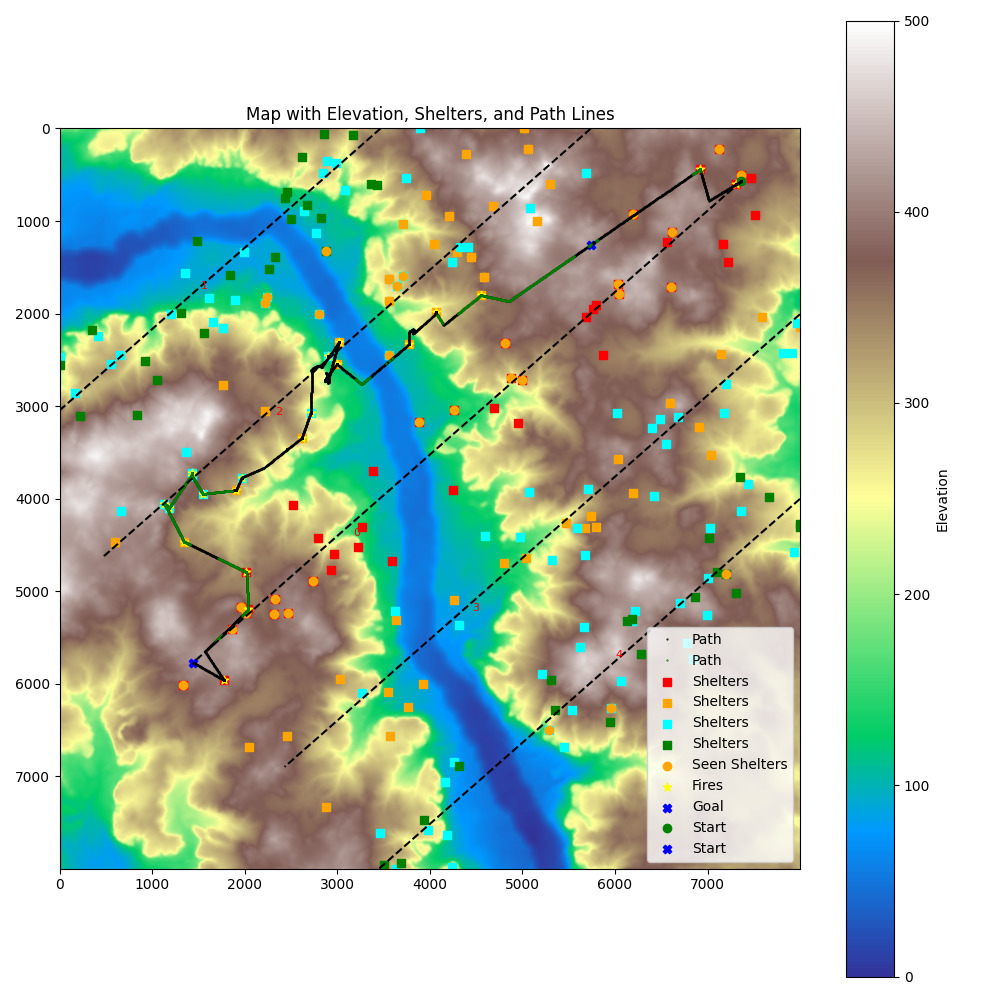
The Problem Prologue can generate millions of possible maps. Each map contains different resource distributions, weather conditions, terrain layouts, shelters, and points of interest. Before Early Access, we had no player data and only a limited number of playtesters. This […]
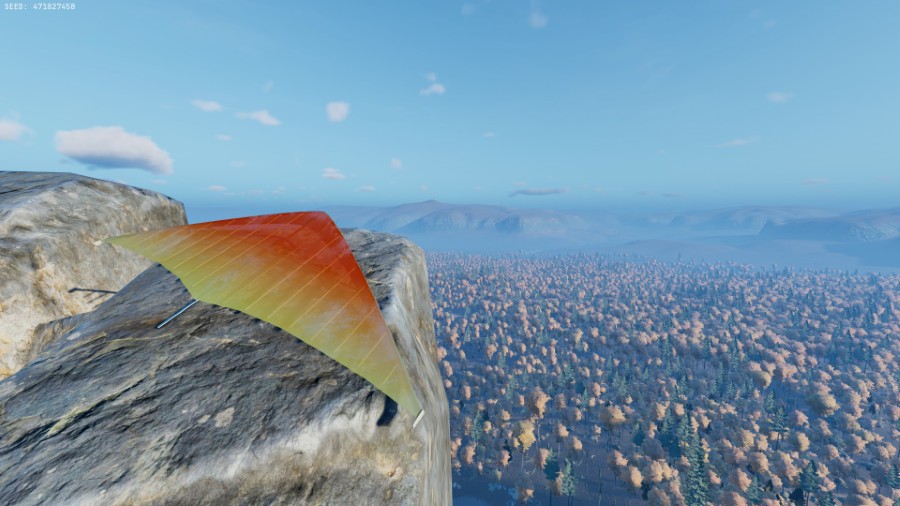
Overview PLAYERUNKNOWN Productions organized an internal two-day game jam around Prologue: Go Wayback!, giving developers complete freedom to experiment with ideas, including the ones that would normally sit outside the project’s scope. At the time, Prologue was focused on exploration, […]